Home away from home — stay where the pura vida lives.
Find your perfect place to stay — from jungle bungalows to beachfront villas. Whether you're traveling solo or with family, we’ve got a cozy spot just for you.
Learn MoreFrom airport to paradise—rent and roll!
Instant booking, trusted partners, no hidden fees.
Learn MoreSee the nuances for renting a car in Costa Rica here.
From airport to paradise—rent and roll!
Instant booking, trusted partners, no hidden fees.
Learn MoreSee the nuances for renting a car in Costa Rica here.
Your Dream Home in Costa Rica Awaits
Wake up to tropical birdsong and enjoy your morning coffee in nature.
Stop dreaming — click below and own your private slice of paradise in Costa Rica.
Learn MoreYour Dream Home in Costa Rica Awaits
Wake up to tropical birdsong and enjoy your morning coffee in nature.
Stop dreaming — click below and own your private slice of paradise in Costa Rica.
Learn MoreBefore Columbus
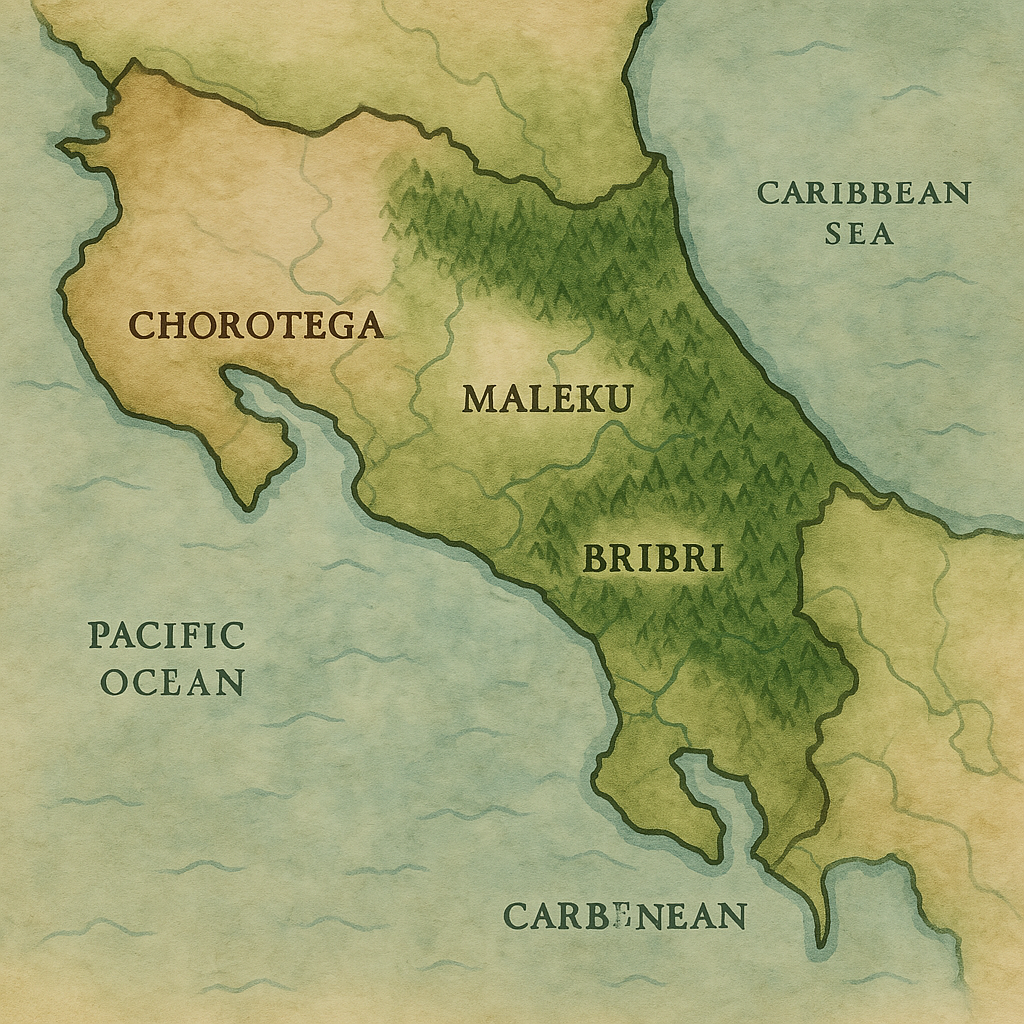
Long before European ships crossed the Atlantic, the land we now call Costa Rica was already alive with stories. These stories weren't about conquests or wars, but about life—about people for whom jungles, volcanoes, and oceans weren't exotic wonders, but home.
The first traces of human presence in what is now Costa Rica date back to around 10,000 BCE. These were nomadic tribes of hunters and gatherers, slowly moving through Central America in search of food and shelter. They left behind obsidian and flint tools, simple pottery, and burial sites that reveal their beliefs about life and death.

One of the most iconic artifacts of that time are the stone spheres—perfectly round, still puzzling archaeologists today. Who made them, how, and why? The answers remain elusive. But that is part of the magic of pre-Columbian Costa Rica: it doesn't dazzle with empires, but with mystery.
Indigenous Peoples of Costa Rica
| People | Region | Language | Key Features |
|---|---|---|---|
| Bribri | Southeast (Talamanca) | Bribri (Chibchan) | Matrilineal society, shamanic traditions, mythology, herbal medicine |
| Cabécar | Central mountains | Cabécar (Chibchan) | Reclusive, forest-based, spiritual cosmology, ancient language |
| Chorotega | Northwest (Nicoya) | Uto-Aztecan | Artisans, pottery, structured society, Mesoamerican influence |
| Huetar | Central highlands | Huetar (extinct) | Trade hub, intertribal language, wood and stone carving |
| Maleku | North (San Rafael region) | Maleku (Chibchan) | Oral tradition, ritual masks, river spirits, animal guides |
Looking for tours? We've got you covered.
From thrilling adventures to relaxing escapes — find the perfect tour for your Costa Rican getaway. Browse top-rated experiences, local guides, and must-see spots all in one place.
Click to start exploring!
Learn MoreEncounter with Columbus
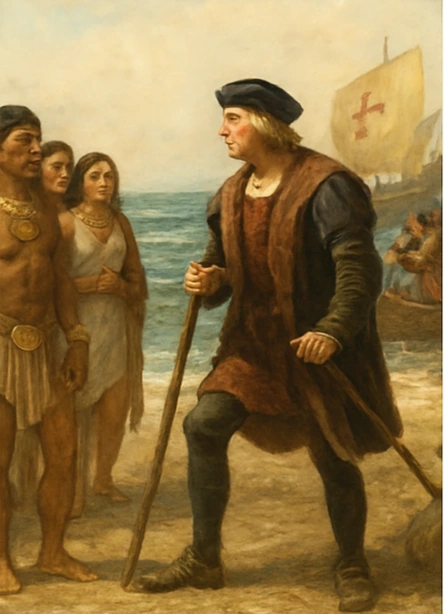
1492 forever changed the course of history for the entire continent. But Costa Rica first heard the name Christopher Columbus a little later — in 1502, when he arrived here during his fourth, most difficult, and enigmatic voyage.
Columbus approached the eastern coastline of the country — to what is now known as Limon. There, he was greeted by the local people, strong, adorned with gold jewelry, impressive, and free. It was then that the myth arose, giving the country its name — "rich coast", Costa Rica. Although Columbus did not find golden cities here, he thought that this land was full of treasures — cultural, natural, and human.
The Colonial Period
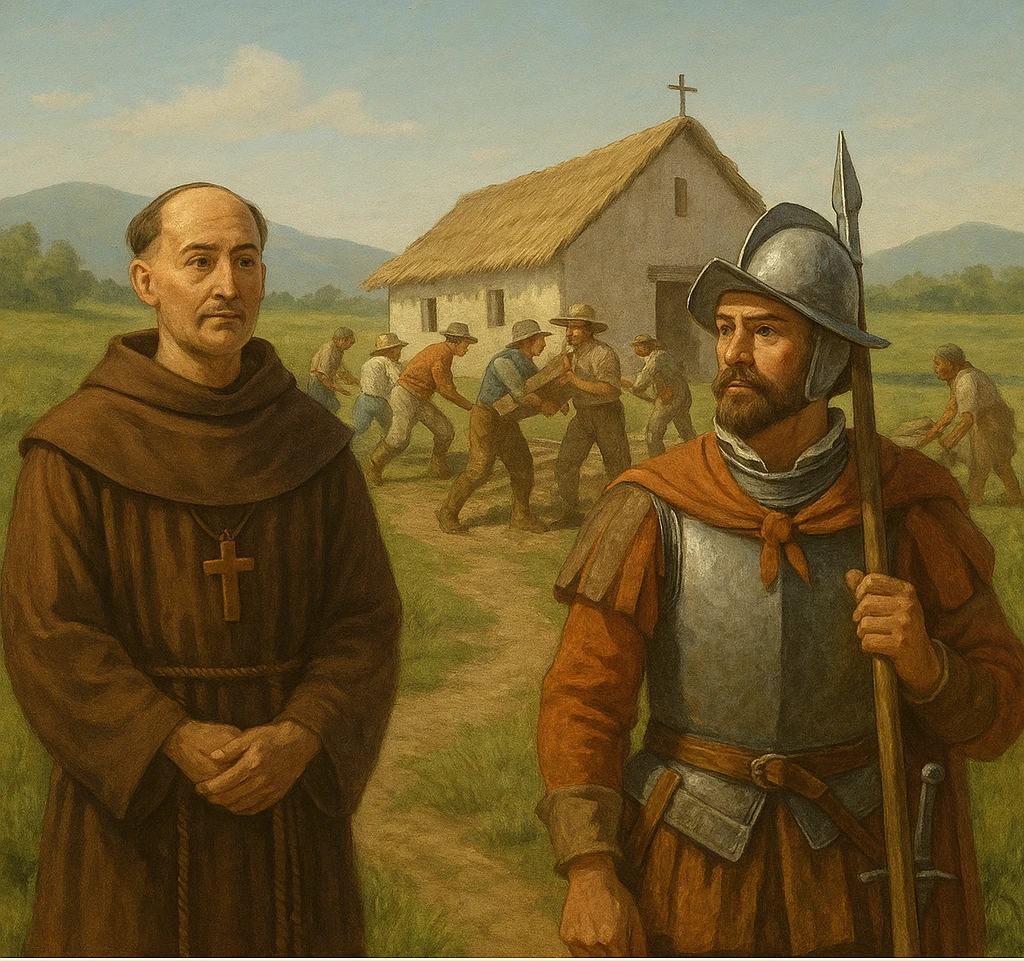
The Spanish founded Cartago, the first capital of Costa Rica, in the early 16th century. However, the colony developed slowly and remained poor, as there was no gold or other valuable resources on this land to attract the Spanish, unlike in other parts of Central America.
The irony lies in the fact that it was the absence of gold deposits that saved the indigenous people from extermination. While in other regions, where gold became the main objective for the Spanish, the native populations were often subjected to violence and destruction, Costa Rica, lacking rich mineral resources, was less attractive to the invaders.
Path to Independence and Modernity
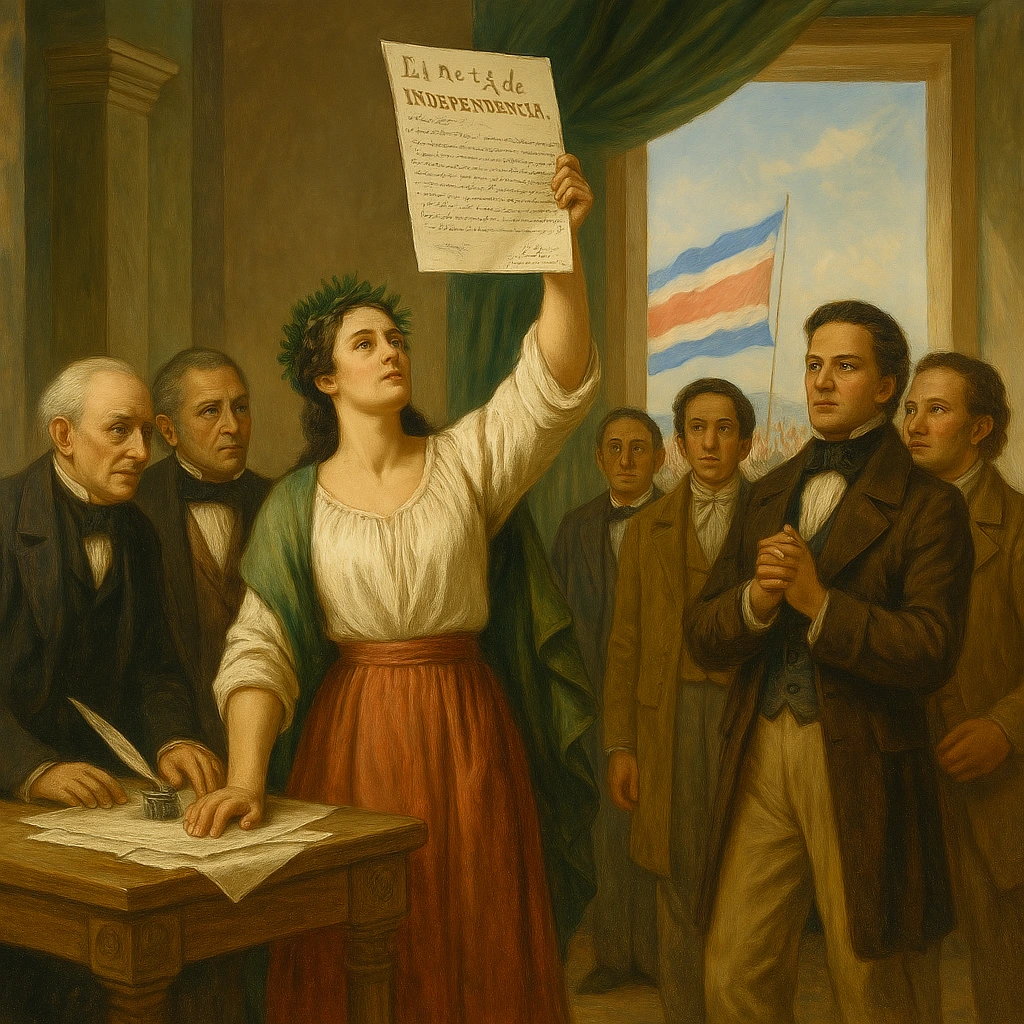
Costa Rica gained independence from Spain on September 15, 1821, along with most of the countries in Central America. However, unlike many of its neighbors, Costa Rica avoided long and bloody wars for independence. This was possible due to the political maturity of local leaders and the fact that there were no precious metals in the country that invaders could claim.
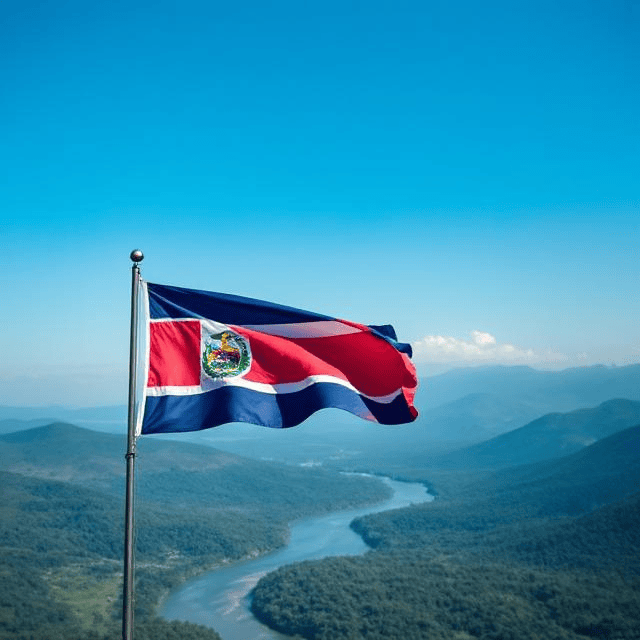
One of Costa Rica's defining features has been its commitment to peace. In 1948, after a brief civil war, the country made a decisive step toward a peaceful future by abolishing its army. This decision became a symbol of the country's dedication to peaceful development, and to this day, Costa Rica remains one of the few countries in the world without a standing military.
Modern Costa Rica is a thriving democratic state with a developing economy and a high standard of living. The country is known for its sustainable development, environmental policies, and efforts to preserve its rich natural heritage.

Ready to Fly to Costa Rica?
Escape the ordinary — book your flight to paradise today.
Explore tropical beaches, lush rainforests, and unforgettable adventures. Start with your ticket!
Learn More